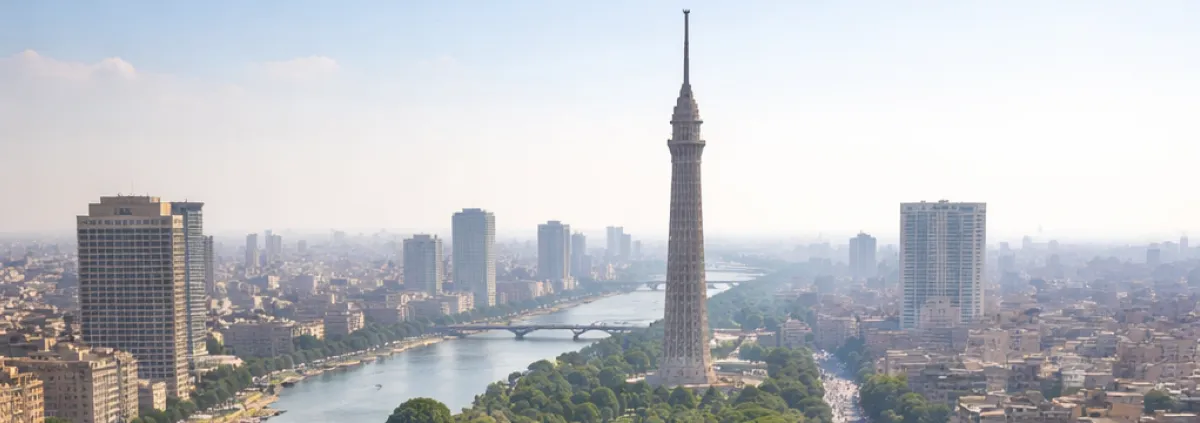

Teaser
Join municipal practitioners from Germany, North Africa and the Middle East for the official digital kick-off of the Connective Cities learning process on green corridors and green neighbourhoods for climate-resilient urban development.
This online session marks the starting point of a one-year peer-learning journey, bringing together cities to exchange experiences, develop initial project ideas and shape future cooperation.
👉 Access the event here: https://community.connective-cities.net/en/green-corridors-and-green-neighbourhoods%E2%80%93digital-launch
About the Learning Process
Cities in the MENA region, as well as in Europe, are increasingly confronted with the impacts of climate change, including rising temperatures, heat stress, water scarcity and growing pressure on public spaces. At the same time, rapid urbanisation and densification often limit the availability of green areas and reduce the resilience of urban systems.
In this context, green corridors and green neighbourhoods offer practical and scalable solutions to address these challenges at the local level.
Green corridors – such as linear parks, green streets or connected open spaces – improve urban ventilation, reduce heat accumulation and enhance ecological connectivity across the city. They can link urban centres with surrounding areas, support non-motorised mobility and contribute to healthier and more liveable environments.
At the neighbourhood level, green neighbourhood approaches focus on integrating nature-based solutions into everyday urban spaces. This includes small-scale green infrastructure such as tree planting, shaded public areas, green roofs and façades, and sustainable water management. These interventions help to improve microclimates, enhance social interaction and strengthen community resilience.
Together, green corridors and green neighbourhoods form a complementary system:
- corridors provide city-wide structure and connectivity,
- neighbourhoods enable local implementation and tangible impact.
Within the Connective Cities learning process, cities work together to translate these approaches into concrete and implementable solutions.
Process Structure
The learning process follows a step-by-step approach:
- Digital Kick-off (April 2026):
Joint introduction, exchange of initial ideas and first AI-supported visualisation exercises - Preparation Phase:
Further development of ideas, exchange between cities and refinement of project concepts - In-person Workshop in Egypt (date tbc):
Deep dive into project development, peer consultation and site visits in Cairo
Main Areas of Work
- Green corridors as ventilation and fresh air corridors between cities and surrounding areas
- Green pathways in cities and historic city centres
- Green neighbourhoods: integrating nature-based solutions at local level
Methodology
- Peer-to-peer exchange and mutual learning between participating municipalities
- Development of concrete solution options supported by technical inputs
- Strengthening institutional capacities and improving planning and implementation processes
- Development of financially viable and implementable project ideas
Participants work in a co-creative format, including:
- Analysis of local challenges and existing practices
- Development of solution ideas and project concepts
- Testing and refinement of solutions with peers, experts and stakeholders
What to Expect in the Digital Kick-off
- Introduction to the learning process and participating cities
- Exchange of initial challenges and ideas
- Input on green corridors, green neighbourhoods and urban resilience
- AI-supported visualisation session
- Interactive breakout sessions and peer exchange
- First joint reflections and identification of next steps
Participation
Participation is based on a selected group of municipalities from Germany and the MENA region, including Egypt, Jordan, Lebanon, Morocco, Palestine, Tunisia and Algeria.
The learning process combines a core working group of municipalities with a broader network of cities contributing to exchange and peer learning.
Duration
The learning process runs over approximately one year, starting with the digital kick-off in April 2026 and continuing with an in-person workshop in Egypt (date to be confirmed).
Teaser
Rejoignez des praticiens municipaux d’Allemagne, d’Afrique du Nord et du Moyen-Orient pour le lancement officiel en ligne du processus d’apprentissage Connective Cities sur les corridors verts et les quartiers verts pour un développement urbain résilient face au climat.
Cette session en ligne marque le début d’un parcours d’apprentissage entre pairs d’une durée d’un an, réunissant des villes pour échanger des expériences, développer des premières idées de projets et définir les bases d’une future coopération.
👉 Accédez à l’événement ici : https://community.connective-cities.net/en/green-corridors-and-green-neighbourhoods%E2%80%93digital-launch
À propos du processus d’apprentissage
Les villes de la région MENA ainsi qu’en Europe sont de plus en plus confrontées aux impacts du changement climatique, notamment la hausse des températures, le stress thermique, la pénurie d’eau et la pression croissante sur les espaces publics. Parallèlement, l’urbanisation rapide et la densification limitent souvent la disponibilité des espaces verts et réduisent la résilience des systèmes urbains.
Dans ce contexte, les corridors verts et les quartiers verts offrent des solutions pratiques et évolutives pour répondre à ces défis au niveau local.
Les corridors verts – tels que les parcs linéaires, les rues végétalisées ou les espaces ouverts connectés – améliorent la ventilation urbaine, réduisent l’accumulation de chaleur et renforcent la connectivité écologique à l’échelle de la ville.
À l’échelle des quartiers, les approches de quartiers verts visent à intégrer des solutions fondées sur la nature dans les espaces urbains du quotidien.
Ensemble, ils forment un système complémentaire :
• les corridors assurent la structure et la connectivité à l’échelle de la ville,
• les quartiers permettent une mise en œuvre locale avec des impacts concrets.
Structure du processus
• Lancement numérique (avril 2026)
• Phase de préparation
• Atelier en présentiel en Égypte (date à confirmer)
Domaines principaux
• Corridors verts comme axes de ventilation
• Chemins verts en milieu urbain
• Quartiers verts
Méthodologie
• Échange entre pairs
• Développement de solutions concrètes
• Renforcement des capacités institutionnelles
• Développement de projets viables
Ce qui vous attend lors du lancement numérique
• Introduction
• Échange d’idées
• Session de visualisation assistée par IA
• Sessions interactives
Participation
Participation basée sur un groupe sélectionné de municipalités d’Allemagne et de la région MENA.
Durée
Environ un an, à partir d’avril 2026.
نبذة
انضموا إلى خبراء وممارسي البلديات من ألمانيا وشمال أفريقيا والشرق الأوسط في الإطلاق الرقمي الرسمي لعملية التعلم الخاصة بـ Connective Cities حول الممرات الخضراء والأحياء الخضراء من أجل تنمية حضرية قادرة على مواجهة تغير المناخ.
تمثل هذه الجلسة بداية رحلة تعلم تشاركية لمدة عام، تجمع المدن لتبادل الخبرات وتطوير أفكار أولية للمشاريع وبناء أسس التعاون المستقبلي.

حول عملية التعلم
تواجه المدن في منطقة الشرق الأوسط وشمال أفريقيا وكذلك في أوروبا بشكل متزايد آثار تغير المناخ، بما في ذلك ارتفاع درجات الحرارة، والإجهاد الحراري، وندرة المياه، والضغط المتزايد على المساحات العامة.
في هذا السياق، تقدم الممرات الخضراء والأحياء الخضراء حلولًا عملية وقابلة للتوسع لمعالجة هذه التحديات على المستوى المحلي.
تشمل الممرات الخضراء الحدائق الخطية والشوارع الخضراء والمساحات المفتوحة المتصلة، حيث تعمل على تحسين التهوية الحضرية وتقليل تراكم الحرارة وتعزيز الترابط البيئي.
وعلى مستوى الأحياء، تركز الأحياء الخضراء على دمج الحلول القائمة على الطبيعة في الفضاءات الحضرية اليومية.
معًا، يشكلان نظامًا متكاملًا:
• توفر الممرات بنية واتصالًا على مستوى المدينة،
• وتتيح الأحياء تطبيقًا محليًا وتأثيرًا ملموسًا.
هيكل العملية
• الإطلاق الرقمي (أبريل 2026)
• مرحلة التحضير
• ورشة عمل حضورية في مصر (التاريخ سيتم تحديده)
المجالات الرئيسية
• الممرات الخضراء كمسارات تهوية
• المسارات الخضراء داخل المدن
• الأحياء الخضراء
المنهجية
• التعلم بين الأقران
• تطوير حلول عملية
• تعزيز القدرات المؤسسية
• تطوير مشاريع قابلة للتنفيذ
ما يمكن توقعه في الإطلاق الرقمي
• مقدمة عن العملية
• تبادل الأفكار
• جلسة تصور مدعومة بالذكاء الاصطناعي
• جلسات تفاعلية
المشاركة
تتم المشاركة من خلال مجموعة مختارة من البلديات من ألمانيا ومنطقة الشرق الأوسط وشمال أفريقيا.
المدة
حوالي عام واحد بدءًا من أبريل 2026.
Contact / التواصل
Jelena Karamatijevic
Connective Cities
jelena.karamatijevic@giz.de
